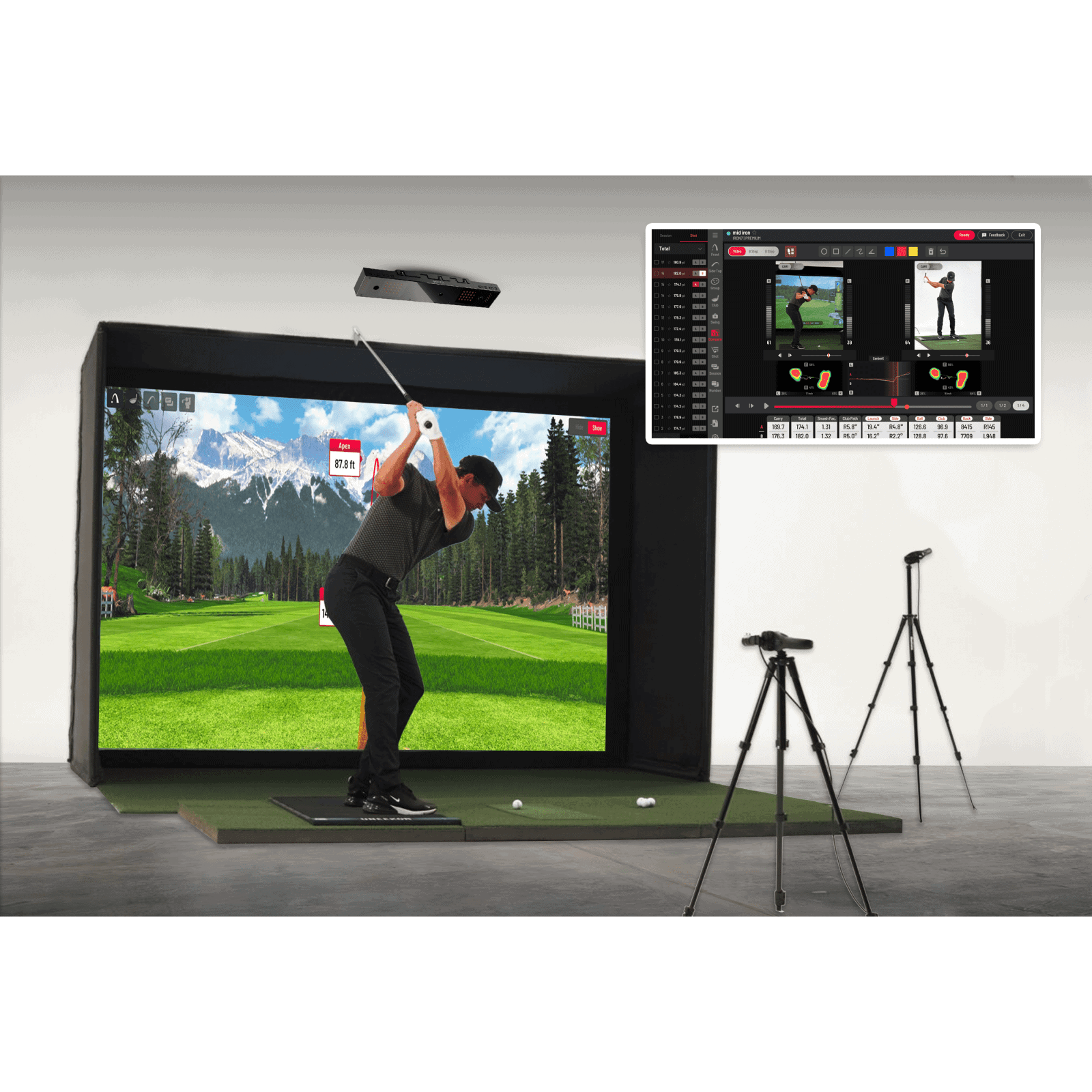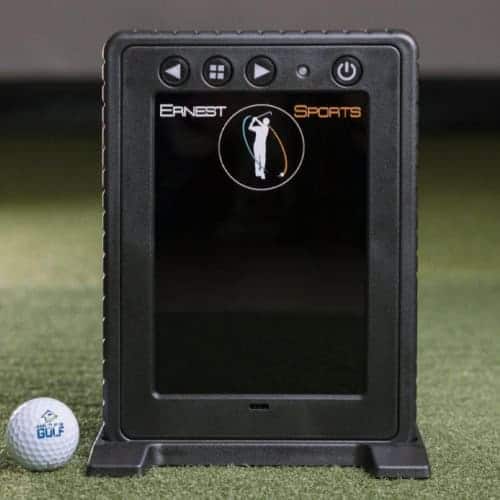


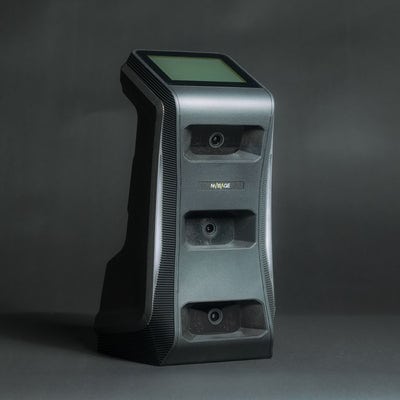
Portable launch monitors promise instant swing feedback without the bulk of a full simulator setup, but most skimp on accuracy or convenience. The Nvisage NEO-E aims to fix that gap with a triple-camera photometric system packed into a travel-friendly case. We tested it across indoor bays, outdoor ranges, and home simulator setups to see if it delivers reliable data without the usual trade-offs.
The NEO-E’s 4.3-inch touchscreen and IP65 rating suggest durability, but its reliance on metallic club stickers adds an extra setup step that competitors avoid. Battery life clocks in at five hours, enough for a practice session but not a full day of coaching. Built-in MURLIE software handles basic simulation, though serious golfers may want third-party integrations for deeper analysis.
In this review, we break down how the NEO-E performs on key metrics like ball speed consistency, spin accuracy, and ease of alignment. We also compare it head-to-head with other portable monitors in its class, weigh the pros and cons of its photometric approach, and outline who’ll benefit most from its design. By the end, you’ll know whether this system justifies its place in your bag, or if you’re better off with a radar-based alternative.
First Impressions
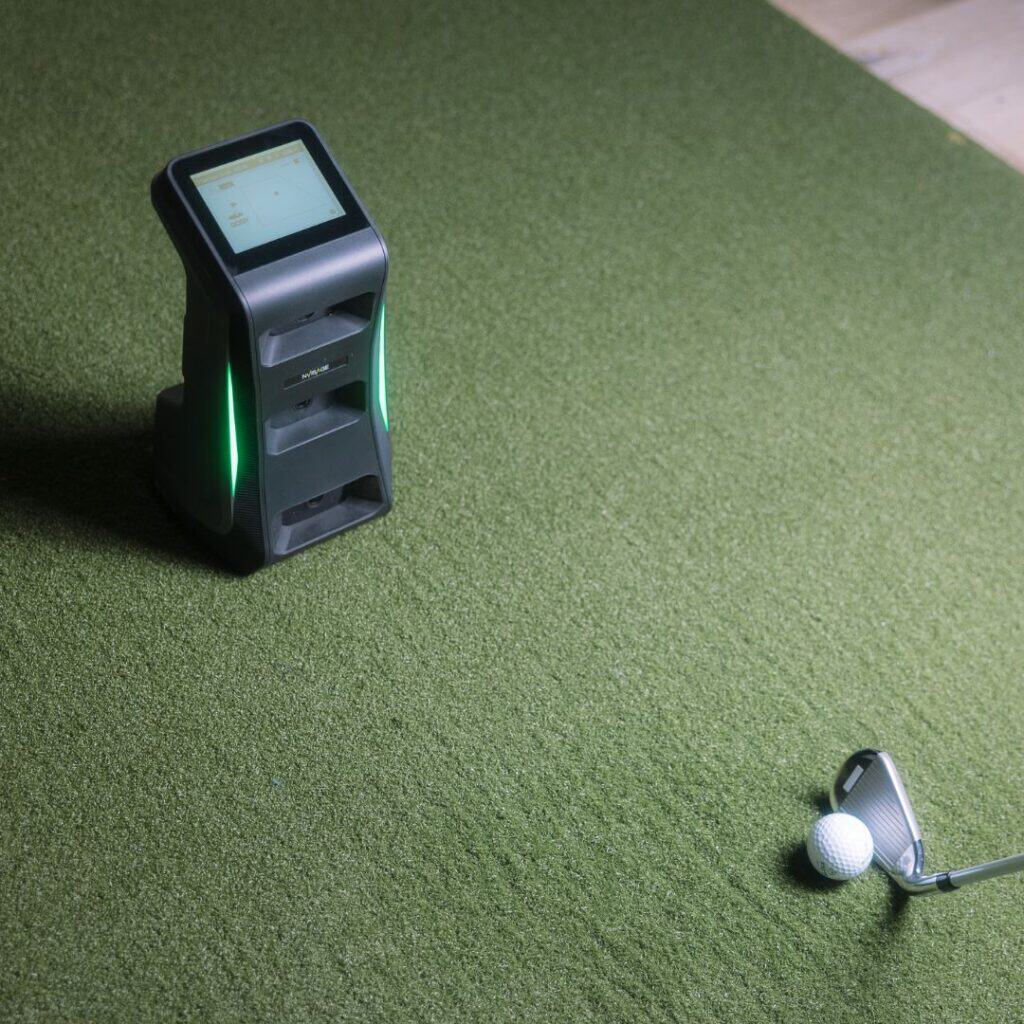
The Nvisage NEO-E arrives as a compact, self-contained launch monitor that promises quick setup and reliable data. Its triple-camera photometric system sets it apart from radar-based competitors, particularly for indoor use where space is limited. The build suggests a focus on portability without sacrificing durability, which we’ll examine in detail.
For those exploring best portable launch monitors, the NEO-E joins a growing list of devices designed to fit in a golf bag. Its design choices, like the built-in touchscreen and IP65 rating, hint at a balance between convenience and ruggedness. How these features translate to real-world use is what matters most.
Unboxing and Build Quality
The NEO-E ships in a minimalist package with the unit, a charging cable, metallic stickers for club tracking, and a quick-start guide. The device itself feels solid, with a matte-black plastic exterior that resists fingerprints. At 1.2 pounds, it’s light enough to carry in a pocket or clip to a bag, yet sturdy enough to withstand occasional bumps.
The hinged kickstand on the back is a practical touch, allowing the unit to sit at an angle for tabletop use or prop up on the ground. The lack of a carrying case in the box is notable, though, users will need to source their own protection for travel. Compared to bulkier alternatives like the FlightScope Mevo+, the NEO-E’s streamlined form factor is a clear advantage for golfers who prioritize mobility.
The 4.3-Inch Touchscreen Display
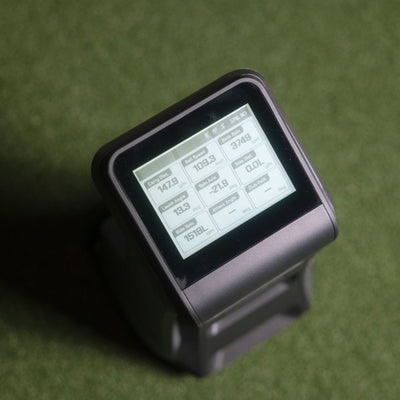
The built-in 4.3-inch touchscreen is a standout feature, eliminating the need for a separate phone or tablet during practice sessions. The display is bright enough for outdoor use in sunlight, though glare can be an issue at certain angles. Navigation is intuitive, with large icons for key functions like shot history, settings, and the built-in MURLIE software.
One limitation is the screen’s size. While it’s adequate for reviewing basic metrics like ball speed and carry distance, detailed swing analysis is better suited to a larger device. For quick range sessions or indoor practice, however, the touchscreen delivers convenience that app-dependent monitors lack.
IP65 Water and Dust Resistance
The NEO-E’s IP65 rating means it can handle light rain and dust without issue, a rare feature in this category. This makes it a viable option for outdoor range sessions or practice in less-than-ideal conditions. While we wouldn’t recommend submerging it or exposing it to heavy downpours, the protection is sufficient for most real-world scenarios.
This durability edge over competitors like the Rapsodo MLM2Pro, which lacks any official weather resistance, could be a deciding factor for golfers who frequently practice outdoors. The trade-off is that the NEO-E’s ports (USB-C and a microSD slot) are exposed, so users should take care to keep them dry when not in use.
Performance and Features
The Nvisage NEO-E provides swing feedback through a triple-camera photometric system, offering a balance of accuracy and portability for golfers. Its design targets users who need data without bulky setup, though some limitations appear in outdoor conditions and club data capture.
Triple-Camera Photometric Tracking System
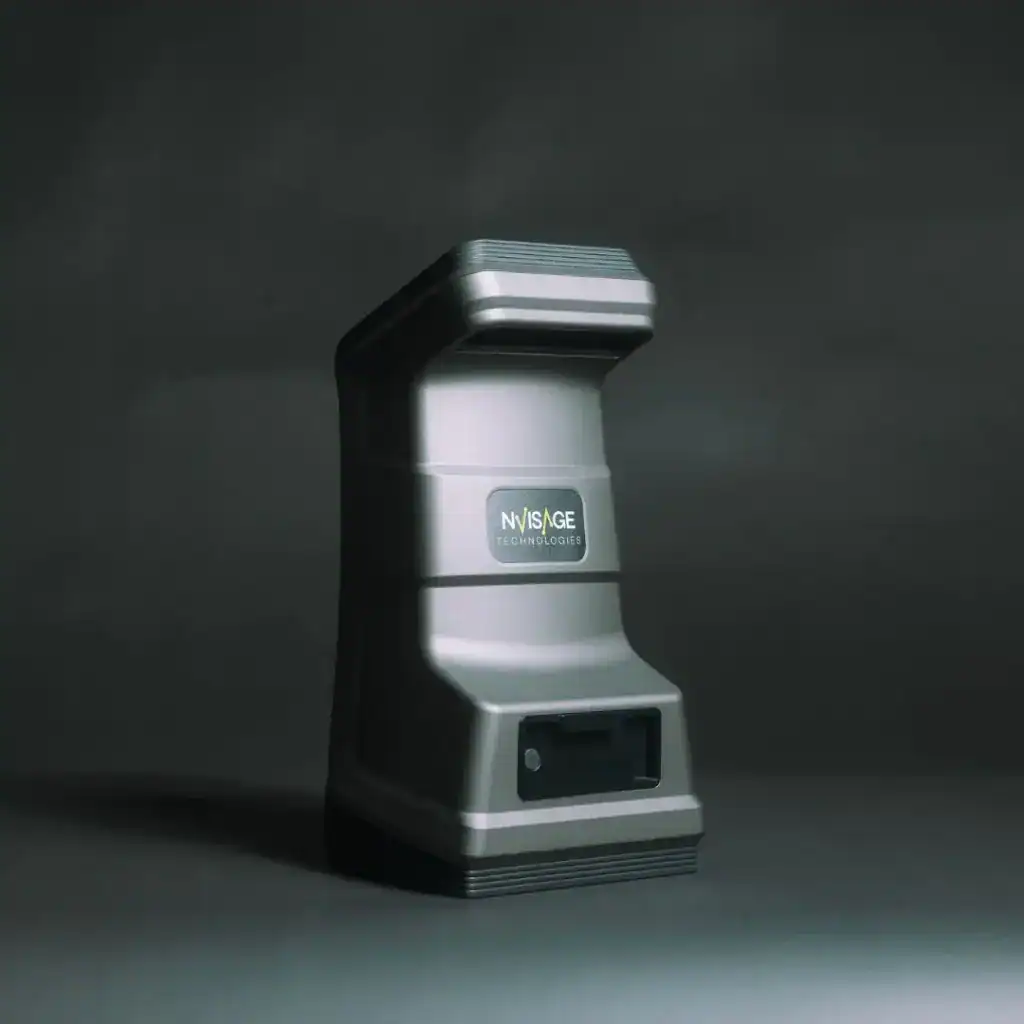
The NEO-E uses three high-speed cameras to record ball and club movement at 1,000 frames per second. This photometric method measures visible impact dynamics instead of ball flight, unlike radar-based systems. The triple-camera setup reduces occlusion problems, particularly in tight indoor spaces.
For more details on how camera-based systems work, our guide on camera-based launch monitors explains the technology behind photometric tracking. While the IP65 rating permits outdoor use, bright sunlight may still interfere with camera performance.
Ball Data Metrics
The NEO-E tracks seven ball metrics: ball speed, launch angle, spin rate, carry distance, total distance, smash factor, and descent angle. These metrics display on the 4.3-inch touchscreen immediately after impact. Ball speed and carry distance readings remain consistent, but spin rate measurements can vary by ±100 RPM outdoors. The system does not require metallic stickers for ball tracking, which simplifies setup.
Club Data Metrics and Metallic Sticker Requirements
Club data includes club speed, attack angle, club path, and face angle. To capture these metrics accurately, the NEO-E needs metallic stickers on the clubface. This extra step improves readings for club path and face angle but adds minor setup time. Without stickers, the system defaults to ball-only data. The stickers last for 20-30 sessions, depending on swing speed.
Flight Data and Accuracy
The NEO-E simulates ball flight using photometric calculations rather than radar measurements. This approach may cause slight differences in total distance compared to radar-based monitors. For indoor use, it integrates with GSPro and other simulator software, delivering a realistic virtual experience. Outdoor accuracy depends on lighting, with best results in shaded or overcast conditions.
Battery Life and Portability
A full charge provides up to 5 hours of use, enough for extended practice or multiple virtual rounds. The unit weighs 2.5 pounds and measures 8 x 6 x 3 inches, making it easy to carry in a golf bag or travel case. Portability suits golfers who practice both indoors and outdoors, though metallic stickers and occasional recalibration add small inconveniences.
Software Compatibility and Setup
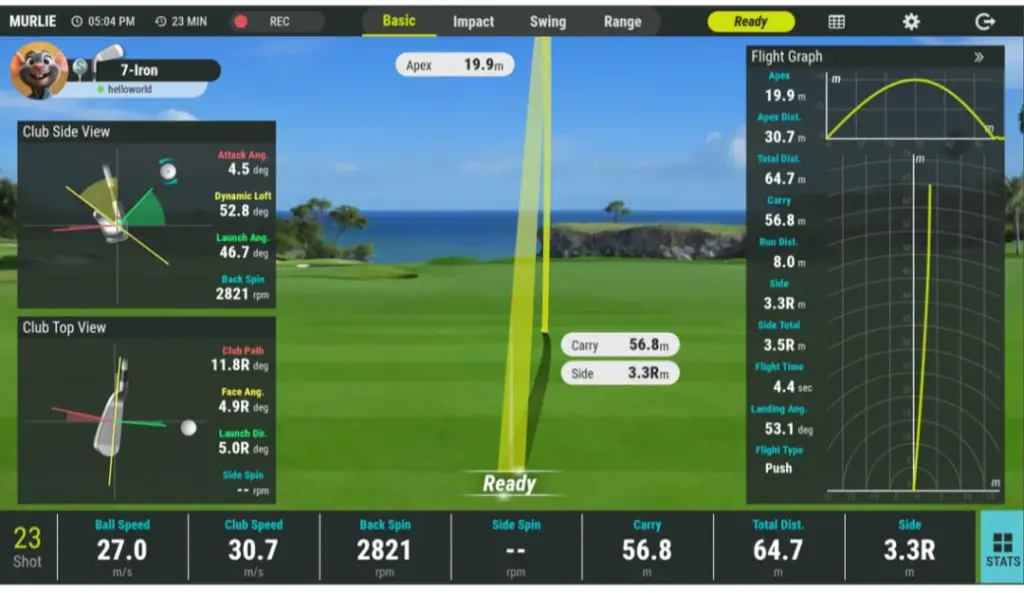
The Nvisage NEO-E pairs its hardware with software that balances simplicity and functionality. Its built-in tools and third-party integrations cater to both practice sessions and full-course play, though setup requirements vary between indoor and outdoor environments.
Included MURLIE Practice and Course Software
The NEO-E comes with MURLIE, a built-in software suite that includes practice modes and a selection of virtual courses. MURLIE’s interface is optimized for the device’s 4.3-inch touchscreen, allowing users to navigate menus without needing an external device. The practice modes offer standard drills like target practice and shot shaping, while the course software provides a limited but functional selection of playable holes.
Data metrics, such as ball speed, launch angle, and spin, are displayed in real time, though the smaller screen size may require frequent scrolling to view all parameters. For users prioritizing portability over immersive visuals, MURLIE delivers a self-contained experience without additional subscriptions or hardware.
GSPro Integration Without Subscription Fees
For those seeking a more expansive course library, the NEO-E integrates with GSPro, a popular simulation platform. Unlike some competitors that require paid subscriptions for full access, the NEO-E connects to GSPro without additional fees, though users must still purchase GSPro’s course packages separately. The integration is plug-and-play via Wi-Fi, with the NEO-E transmitting data directly to the simulation software.
Compatibility extends to both PC and iOS devices, making it adaptable to most home setups. While the NEO-E’s photometric system doesn’t capture as many data points as radar-based monitors, GSPro’s physics engine compensates for this by generating realistic ball flight and course interactions. This setup suits golfers who want a balance between accuracy and affordability without being locked into proprietary ecosystems.
Indoor vs. Outdoor Setup and Alignment
The NEO-E’s portability is a key selling point, but its setup process differs between indoor and outdoor use. Indoors, the device requires a stable surface and proper alignment with the hitting zone, typically using the included alignment mat or metallic stickers on the ball. The triple-camera system relies on consistent lighting and a clear line of sight, so users may need to adjust room lighting or camera angles to avoid glare or shadows.
Outdoors, the IP65-rated NEO-E resists dust and water, but bright sunlight can interfere with camera tracking, necessitating shaded areas or protective covers. Alignment is simpler outdoors, as natural light reduces the risk of misreads, but users must still ensure the device is level and positioned at the correct distance from the hitting area. The 4.3-inch touchscreen provides on-device guidance for alignment, though first-time users may need a few attempts to optimize placement.
Nvisage NEO-E vs. Competitors
Portable launch monitors compete on accuracy, portability, and ease of use. The Nvisage NEO-E stands out with its triple-camera photometric system and built-in touchscreen, but how does it compare to other compact options? We look at two direct competitors to see where the NEO-E fits in the market.
Nvisage NEO-E vs. Uneekor EYE Mini
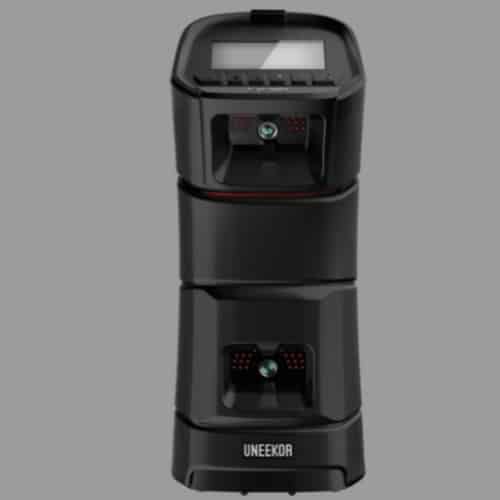
The Uneekor EYE Mini also uses a photometric system but relies on dual high-speed cameras instead of three. This difference affects data capture in low-light conditions, where the NEO-E’s third camera provides an edge. Both units require metallic stickers for club tracking, but the EYE Mini includes them in the box, while the NEO-E sells them separately.
- Display: The NEO-E’s 4.3-inch touchscreen is built-in, while the EYE Mini requires a connected device for real-time feedback.
- Durability: Both are IP65-rated, but the NEO-E’s compact design makes it slightly easier to transport.
- Software: The NEO-E comes with MURLIE pre-installed, while the EYE Mini uses Uneekor’s Refine software, which offers more advanced swing analysis tools.
- Battery Life: The NEO-E lasts up to 5 hours; the EYE Mini’s battery life varies depending on connected devices.
For golfers who prioritize a standalone device with no extra setup, the NEO-E is the better choice. Those who want deeper swing analytics may prefer the EYE Mini’s software ecosystem.
Nvisage NEO-E vs. FlightScope Mevo+
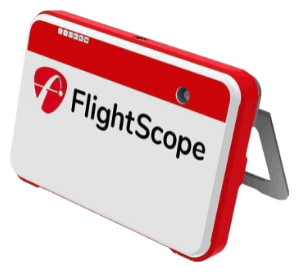
The FlightScope Mevo+ uses Doppler radar, which doesn’t require metallic stickers and works well in outdoor settings. However, radar-based systems can struggle with indoor accuracy, especially in smaller spaces. The NEO-E’s photometric approach avoids this issue but needs proper lighting for consistent results.
- Tracking Method: The Mevo+ uses radar, while the NEO-E relies on cameras and stickers.
- Portability: Both are compact, but the NEO-E’s built-in touchscreen eliminates the need for a phone or tablet.
- Data Parameters: The Mevo+ tracks more metrics, including spin rate and descent angle, while the NEO-E focuses on core ball and club data.
- Outdoor Use: The Mevo+ excels in open-air ranges, while the NEO-E performs better indoors or in controlled outdoor environments.
Golfers who play mostly outdoors or need advanced spin data may prefer the Mevo+. Those who practice indoors or want a simple, all-in-one device will find the NEO-E more convenient.
Pros and Cons
The Nvisage NEO-E balances portability with advanced tracking, but its trade-offs may influence whether it fits your needs. Below, we break down its strengths and limitations based on its design and reported performance.
What We Like
- Portability and durability: The NEO-E is a floor-based launch monitor, making it easy to set up and move between indoor and outdoor spaces. Its IP65 rating ensures resistance to dust and water, a rare feature in portable launch monitors. This makes it suitable for practice sessions in varied environments, from garages to driving ranges.
- Triple-camera photometric tracking: Unlike single-camera systems, the NEO-E’s triple-camera setup captures club and ball data from multiple angles. This improves accuracy for metrics like ball speed, launch angle, and spin rate, which are critical for serious golfers refining their swing.
- Software compatibility: The NEO-E includes MURLIE software, which provides basic shot analysis and practice modes. It’s also compatible with GSPro, a popular simulation software for virtual rounds. This flexibility allows users to choose between practice-focused or immersive gameplay experiences.
- Touchscreen display: The 4.3-inch touchscreen eliminates the need for a separate device during practice. Users can review data, adjust settings, and navigate menus directly on the unit, streamlining the experience.
- No subscription fees: Unlike some launch monitors that require ongoing subscriptions for full functionality, the NEO-E offers its core features without additional costs.
What Could Be Improved
- Club data limitations: The NEO-E requires club stickers to track club data, such as face angle and path. While this method is common in photometric systems, it adds an extra step to setup and may wear out over time. Some users prefer radar-based systems, which don’t require stickers for club data.
- Battery life: With a maximum runtime of 5 hours, the NEO-E may not last through extended practice sessions or multiple rounds of virtual golf. Users who plan to use it for longer periods may need to recharge or carry a backup power source.
- Premium positioning: The NEO-E targets golfers willing to invest in a high-end portable system. While its features justify the cost for serious players, budget-conscious buyers may find alternatives with fewer frills but comparable performance.
- Limited putting data: Photometric systems often struggle with putting accuracy, and the NEO-E is no exception. Golfers who prioritize short-game analysis may need to supplement it with a dedicated putting mat or additional training tools.
Where to Buy and Price
The Nvisage NEO-E is sold through authorized retailers that specialize in golf simulation equipment. The table below lists current sellers and availability.
Pricing and Value Assessment
The Nvisage NEO-E retails for $5,500. Prices are accurate at the time of writing and are subject to change. This positions it in the mid-to-upper tier for portable launch monitors, alongside options like the FlightScope Mevo+ and Garmin Approach R10. The triple-camera photometric system and built-in MURLIE software support the price for users who want portability and data accuracy without a full simulator setup.
Golfers who need indoor and outdoor use will benefit from the NEO-E’s IP65 rating and 5-hour battery life. The metallic sticker requirement for club tracking is a small trade-off for a compact, travel-friendly design. Unlike radar-based systems, the photometric approach reduces space needs, making it a good fit for home practice bays or small indoor areas.
The price may be high for casual players, but golfers who need real-time feedback and versatile usage will see value in the investment. The included software and durability features add to its practical use over time.
Frequently Asked Questions
Does the NEO-E work indoors and outdoors?
Yes, the Nvisage NEO-E is designed for both indoor and outdoor use. Its triple-camera photometric system and IP65 rating allow it to function reliably in various lighting conditions and environments. This makes it versatile for practice sessions at home, on the range, or while traveling.
Does it need marked balls?
No, the NEO-E does not require marked golf balls to track ball data. However, it does need metallic stickers applied to clubfaces to capture club data accurately. These stickers are included with the device and are essential for measuring metrics like clubhead speed and angle of attack.
What software does it support?
The NEO-E includes built-in MURLIE software, which provides real-time data visualization and swing analysis. It also supports third-party simulation software like GSPro, allowing users to play virtual courses or practice in a simulated environment. Compatibility with additional software may expand through future updates.
How long does the battery last?
The NEO-E offers up to 5 hours of battery life on a single charge. This duration is sufficient for extended practice sessions or multiple rounds of simulated play. For longer use, users can connect the device to a portable power bank or outlet via its USB-C charging port.
What data does it measure?
The NEO-E tracks a comprehensive set of ball and club metrics, including ball speed, launch angle, spin rate, carry distance, and clubhead speed. It also measures smash factor, angle of attack, and spin axis, providing detailed feedback for swing improvement. The 4.3-inch touchscreen displays these metrics in real time for immediate analysis.
Final Verdict
The Nvisage NEO-E delivers a unique blend of portability and precision for golfers who need reliable data without sacrificing outdoor durability. Its triple-camera photometric system captures both ball and club metrics effectively, though the requirement for metallic stickers may deter some users.
The built-in MURLIE software and GSPro compatibility make it a versatile choice for those already invested in these platforms, while the IP65 rating ensures it holds up in varied conditions, from indoor simulators to outdoor ranges. Battery life remains a limitation, so frequent users may need a power bank for extended sessions.
For golfers prioritizing portability and software flexibility, the NEO-E stands out as a solid mid-tier option. It’s particularly well-suited for those who split time between indoor and outdoor practice or need a rugged device for travel. However, if club data without stickers is a dealbreaker, alternatives like radar-based monitors might be worth exploring.
Before purchasing, weigh the trade-offs: the NEO-E’s strengths in durability and compatibility against its shorter battery life and sticker dependency. If it aligns with your needs, check current availability and pricing through authorized retailers to secure the best deal. The right launch monitor should fit seamlessly into your practice routine, choose one that matches how and where you play.